Find the limiting elements
Identify where power-flow constraints are holding back usable capacity or increasing operating costs.
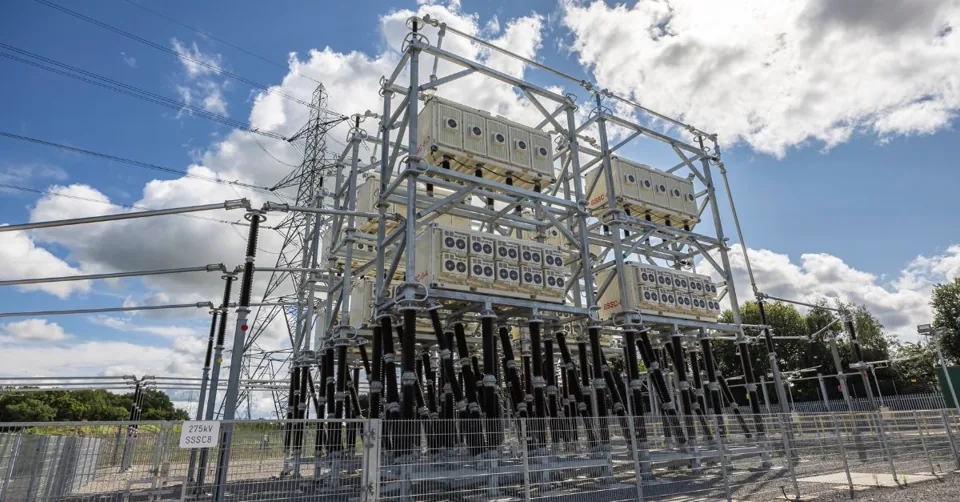
Smart Wires helps utilities increase usable transmission capacity and strengthen reliability with advanced power flow control. SmartValve can be deployed in months while longer-term grid upgrades progress.
Utilities use Smart Wires technology to control power flows, increase usable transfer capacity, and support reliability on existing networks. Explore deployments from named operators and the results they have reported.
New load, new generation, changing power flows, and tighter outage windows are increasing pressure on transmission networks. New lines remain essential, but they can take years to permit and build.
Identify where power-flow constraints are holding back usable capacity or increasing operating costs.
Use advanced power flow control to redirect electricity away from constrained circuits and onto paths with available capacity.
Increase usable transfer capability and strengthen operational flexibility while longer-term network upgrades progress.
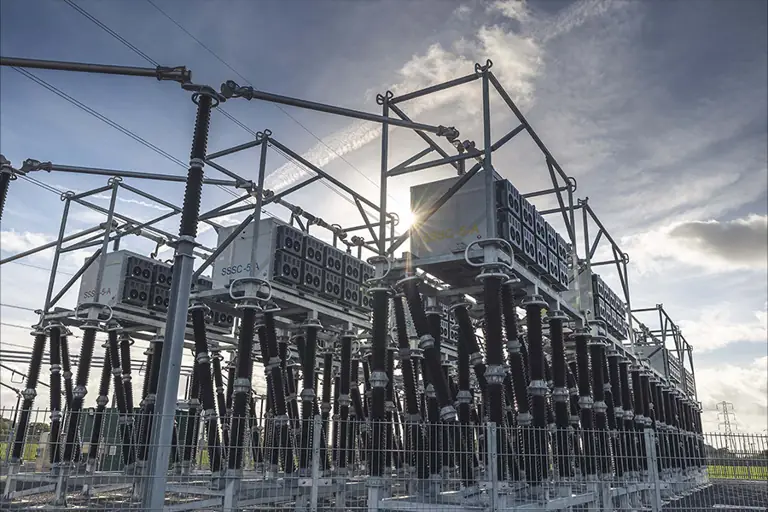
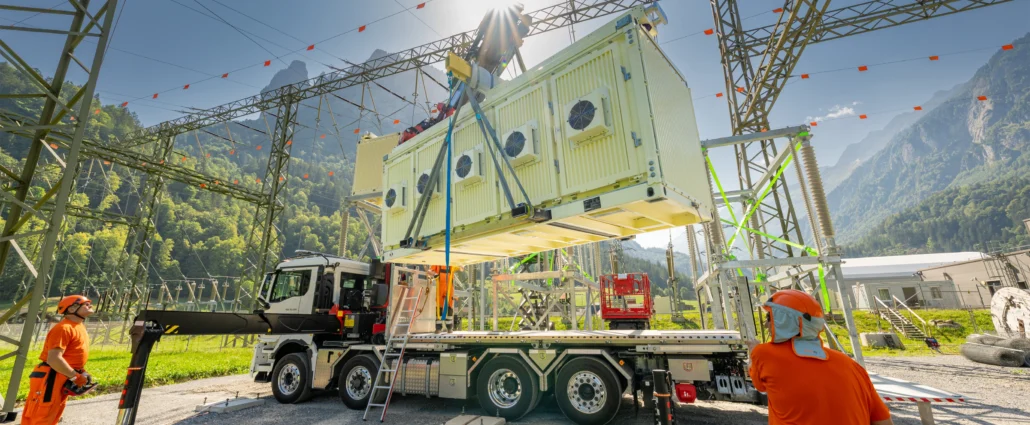
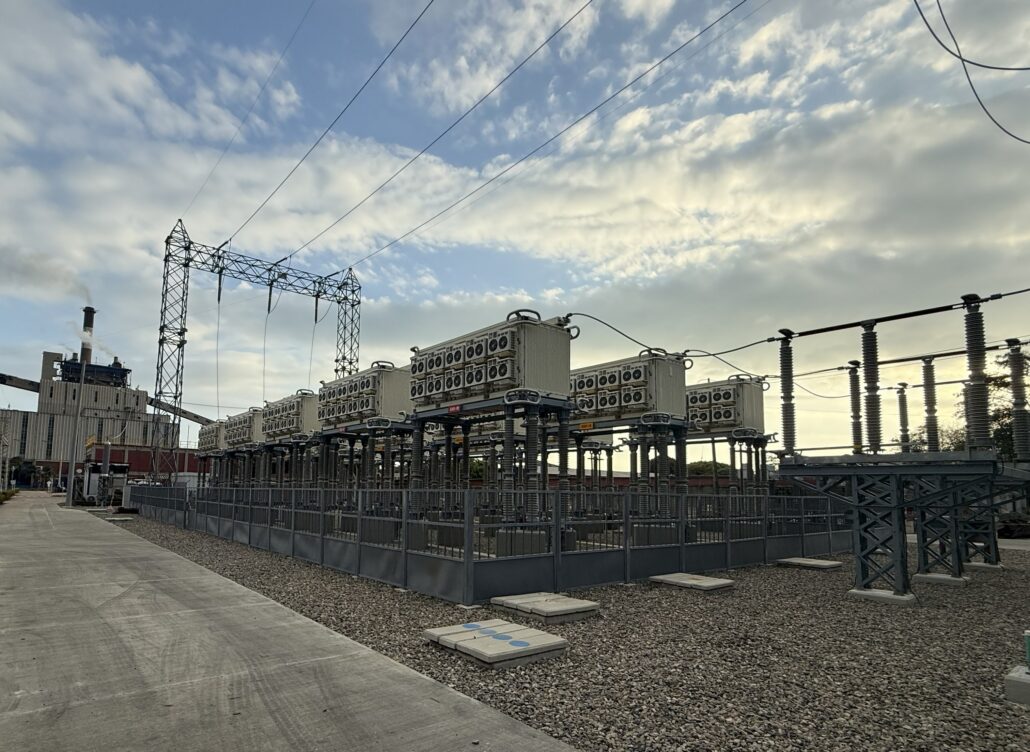
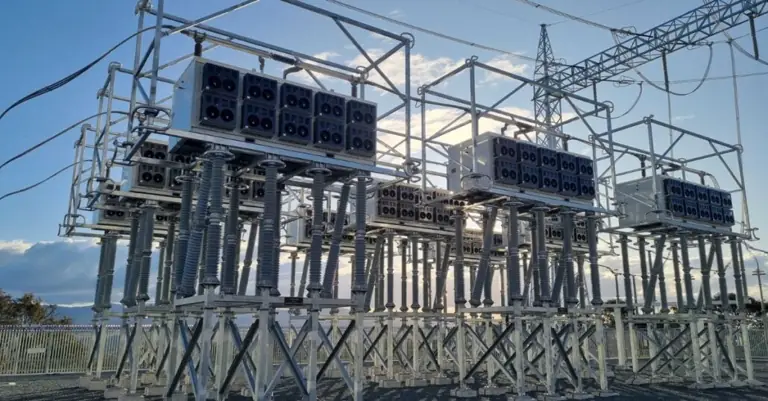
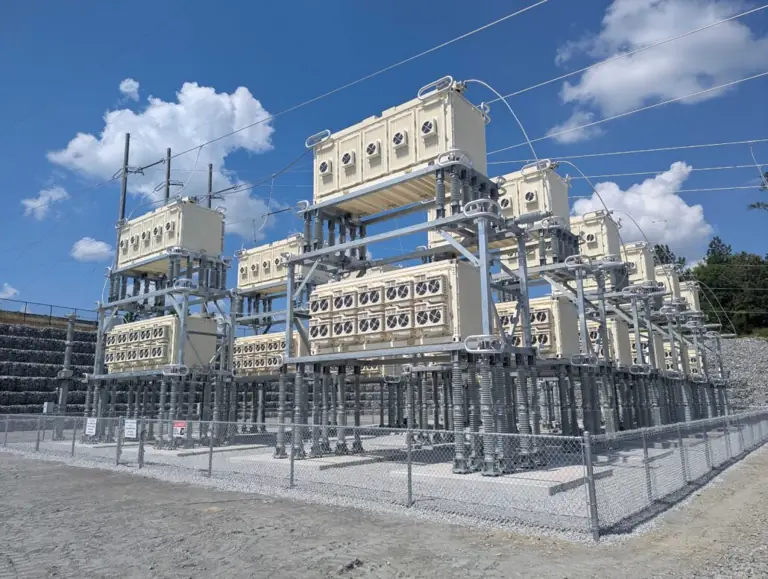
SmartValve is a modular advanced power flow control solution for transmission grids. It gives operators direct, real-time control over power flows so they can make better use of existing circuits and respond as network needs change.
SUMO and Analytics help utilities identify opportunities, understand system constraints, and plan effective grid-enhancing technology deployments.
Network-wide software that helps operators identify capacity above static thermal limits without installing hardware on every circuit.
Explore SUMOTechnical advisory support for interconnection studies, transmission planning, and the integration of SmartValve into complex networks.
Explore Analytics
Smart Wires works with utilities and transmission operators across a wide range of network conditions, market structures, and regulatory environments.
More than 5 GW of firm, controllable capacity delivered globally.
Redirect power away from constrained paths to increase usable transfer capability and reduce reliance on costly corrective actions.
Create controllable headroom on existing circuits to support connections while planned transmission reinforcements move forward.
Give operators more control over network flows during contingencies, maintenance periods, and other high-stress conditions.