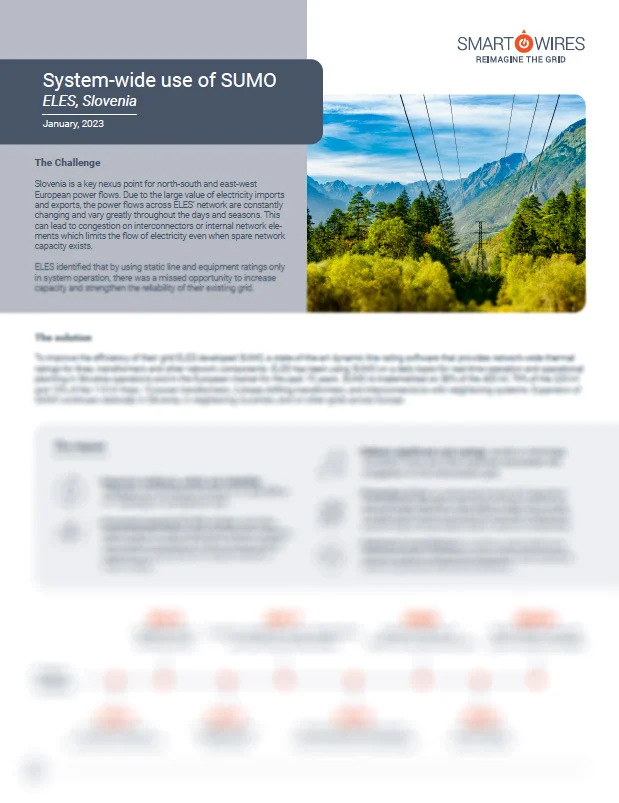
ELES: System-wide use of SUMO
ELES is using SUMO Dynamic Line Rating software to increase grid visibility, optimize system operations, and make better use of existing transmission capacity.
Moving beyond static ratings in daily grid operations
Slovenia plays a critical role in European power flows, serving as a nexus point for north-south and east-west electricity exchanges.
The fluctuating nature of power flows across ELES’ network can create congestion and limit electricity transfers, even when spare network capacity is available.
ELES recognized the need to improve grid capacity and reliability by moving beyond static line and equipment ratings in system operation.
To address this, ELES developed SUMO, advanced Dynamic Line Rating software that provides real-time thermal ratings for different network components.
SUMO has been successfully implemented for daily operations and planning in Slovenia and the European market over the past decade. The software is being expanded nationally in Slovenia, in neighboring countries, and across other European grids.
Real-time thermal ratings
SUMO gives operators more accurate visibility into the actual operating capability of network components.
System-wide planning support
The software supports both daily operation and longer-term planning across Slovenia and the wider European market.
More usable capacity from existing assets
By replacing conservative static assumptions with dynamic ratings, SUMO helps operators use available network capability more accurately while supporting reliability and asset management.
Improves resiliency, safety and reliability
Provides better visibility into real-time grid conditions and equipment capability.
Increases capacity 92-96% of the time
Identifies when existing assets can safely carry more power than static ratings allow.
Delivers significant cost savings
Helps reduce congestion and make better use of infrastructure that is already in service.
Optimizes asset lifetimes
Supports more accurate asset utilization and better long-term planning decisions.
SUMO in system-wide use
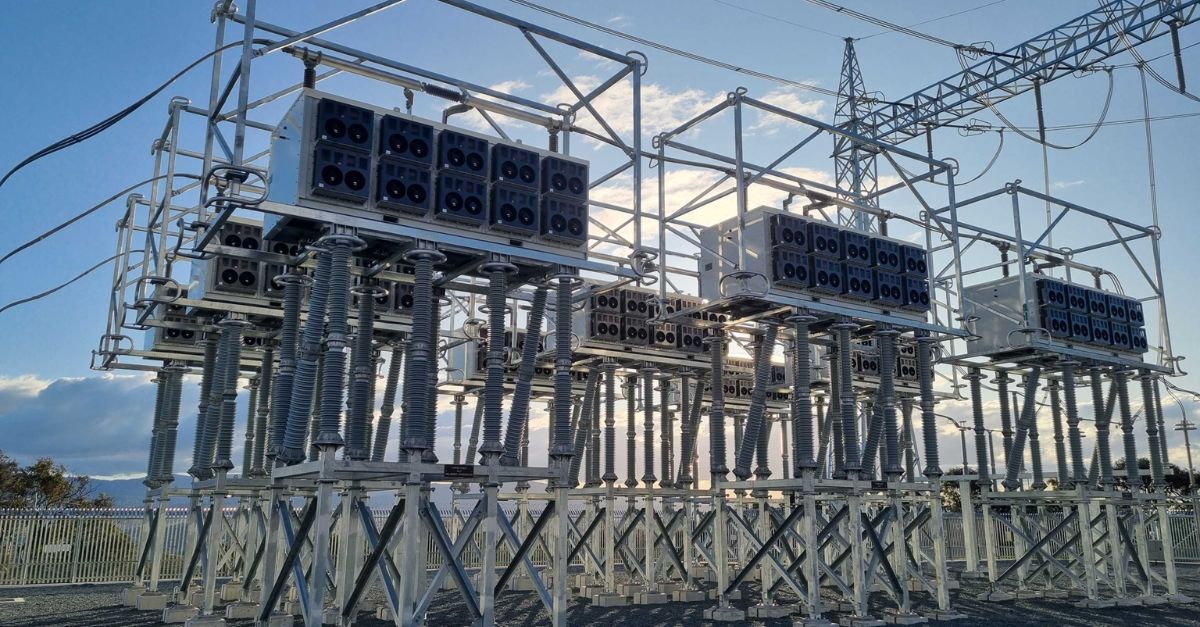
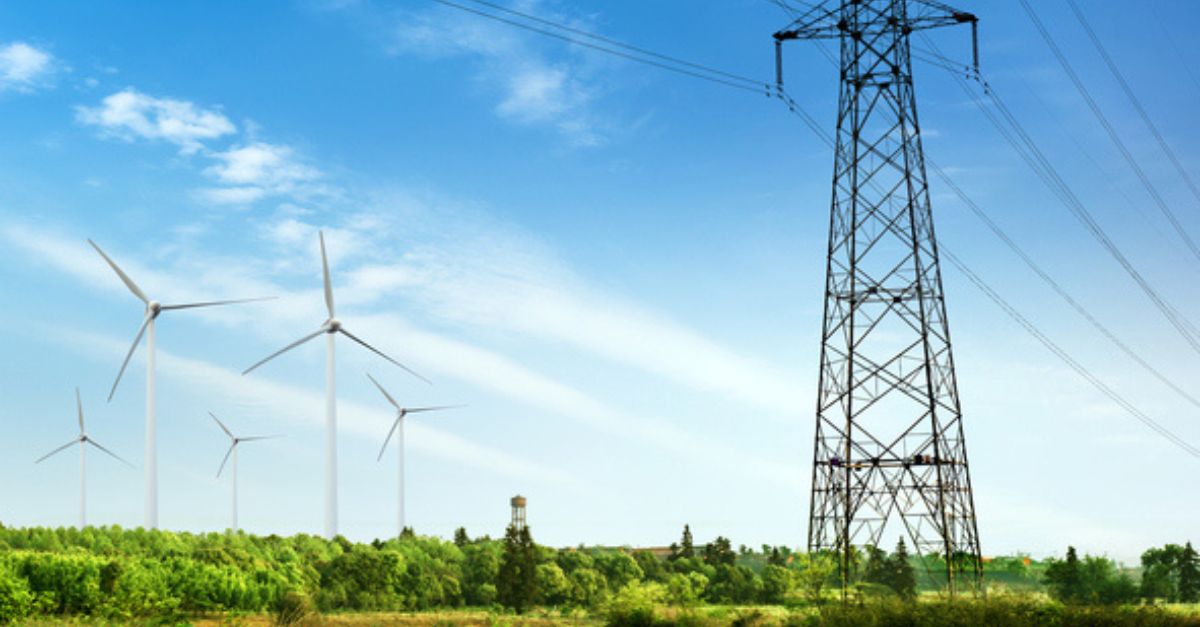
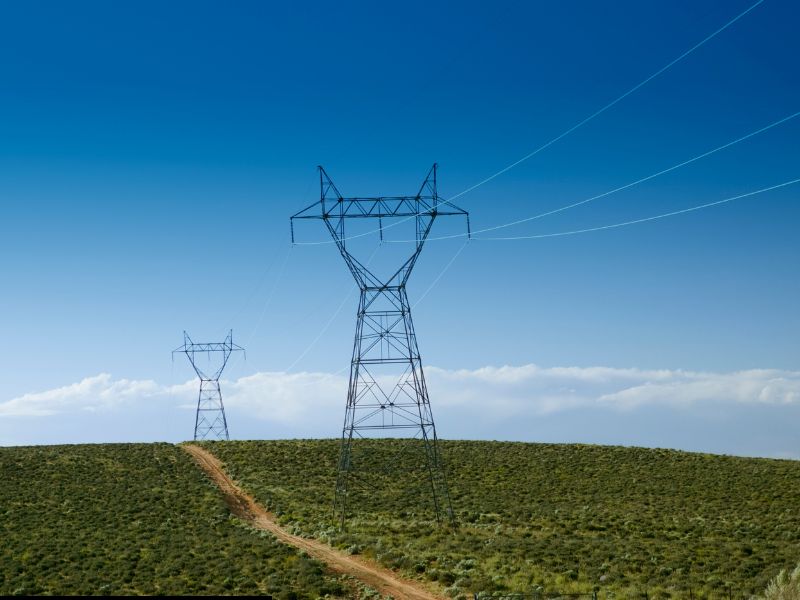
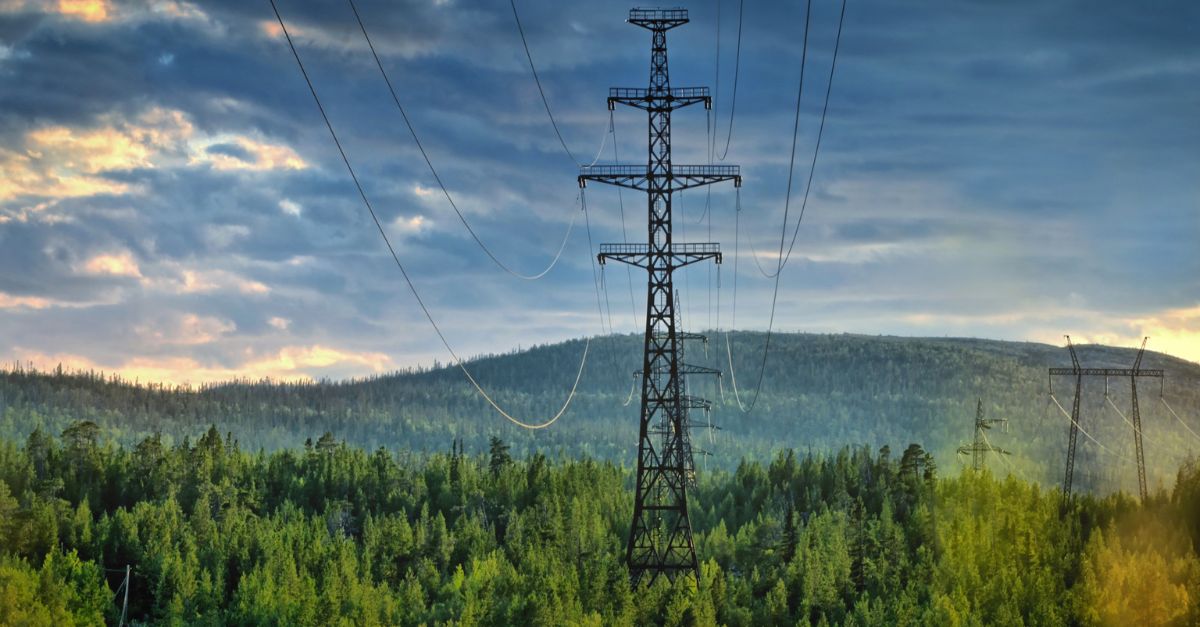
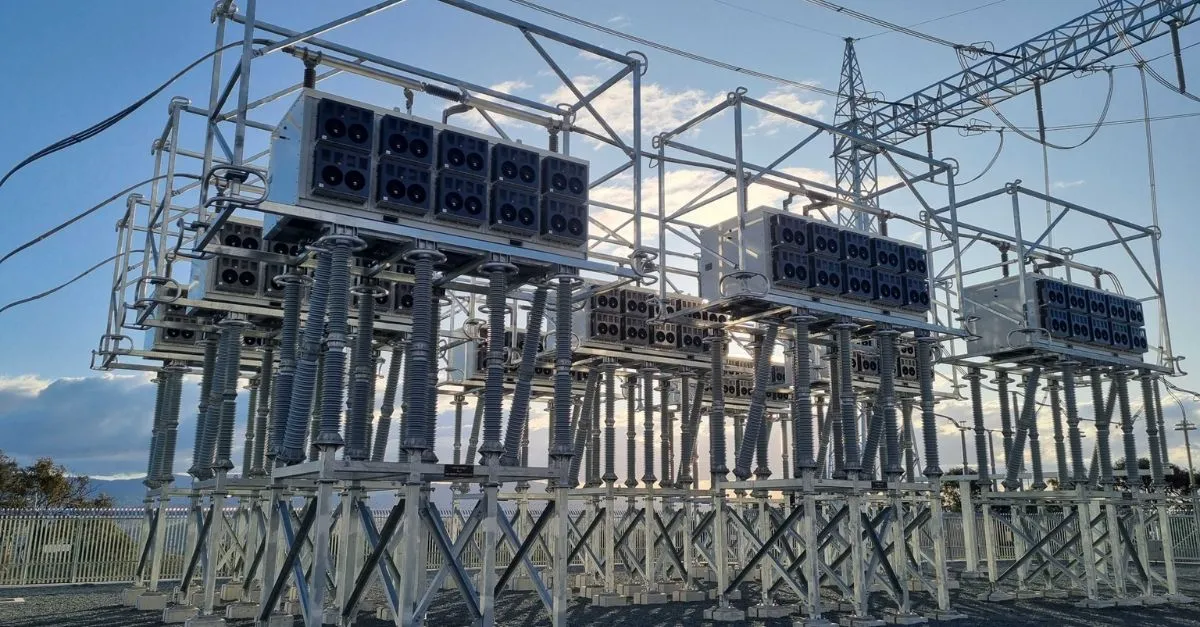
Visuals from the ELES case study and related SUMO materials showing how Dynamic Line Rating supports real-time grid operations.
System-wide use of SUMO: ELES, Slovenia
Access the full case study to learn how ELES uses SUMO to support daily operations, planning, and improved use of transmission capacity.