Smart Wires Inc.

Smart Wires Header

SmartValve™

Advanced power flow control

SmartValve is an advanced power flow control solution that delivers firm, controllable capacity on existing transmission. It helps utilities manage congestion, strengthen reliability under normal and contingency conditions, and connect new load and generation faster.

Built on a patented static synchronous series compensator (m-SSSC), it injects a series voltage in quadrature with line current to change the line’s effective reactance. That lets operators push power off overloaded lines or pull power onto underutilized lines. It can also provide dynamic support services, including improved voltage stability and transient stability.

Solving critical grid challenges

Increase usable capacity on existing transmission

SmartValve can be deployed in 12–18 months to relieve constraints and increase usable transfer capability, supporting faster connections for new load and generation while reducing constraint costs.

Address urgent needs and reduce planning risk

SmartValve can be scaled and relocated as system needs change, helping utilities address near-term constraints now while preserving flexibility to expand or redeploy as plans evolve.

Maintain reliability during outages

SmartValve redirects power flows around out-of-service assets to reduce congestion during planned and unplanned outages, support longer outage windows, and lower constraint costs.

Defer replacement of ageing assets

SmartValve can shift loading away from stressed equipment to help maintain service and manage constraints, giving utilities time to execute asset replacement plans and investments.

Bridge constraints during upgrades

SmartValve can address temporary constraints while larger upgrades are permitted and constructed, helping keep projects on track, maintain reliability, and reduce constraint costs.
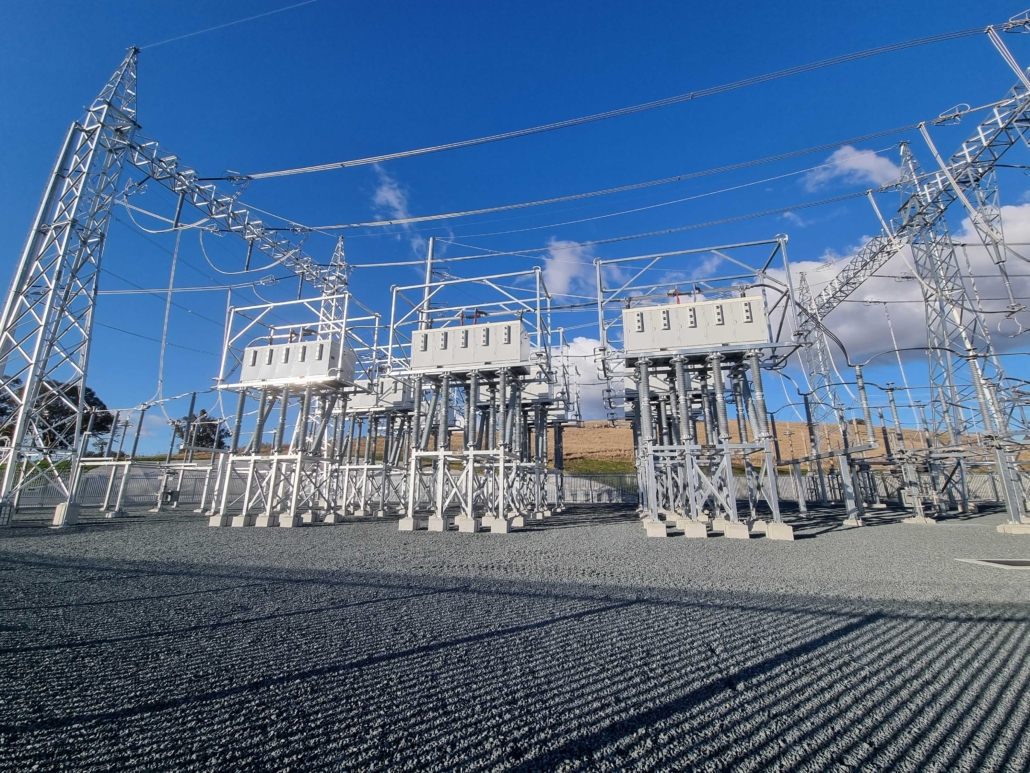
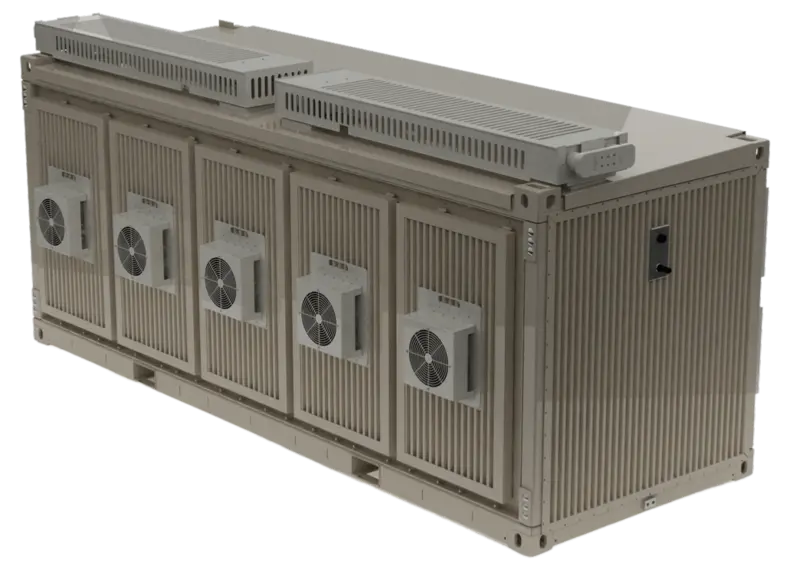
Next generation of power flow control

Power flow control has evolved from passive devices to power-electronics solutions that actively shape how power moves across the network. SmartValve builds on that evolution to deliver controllable capacity with utility-grade reliability.

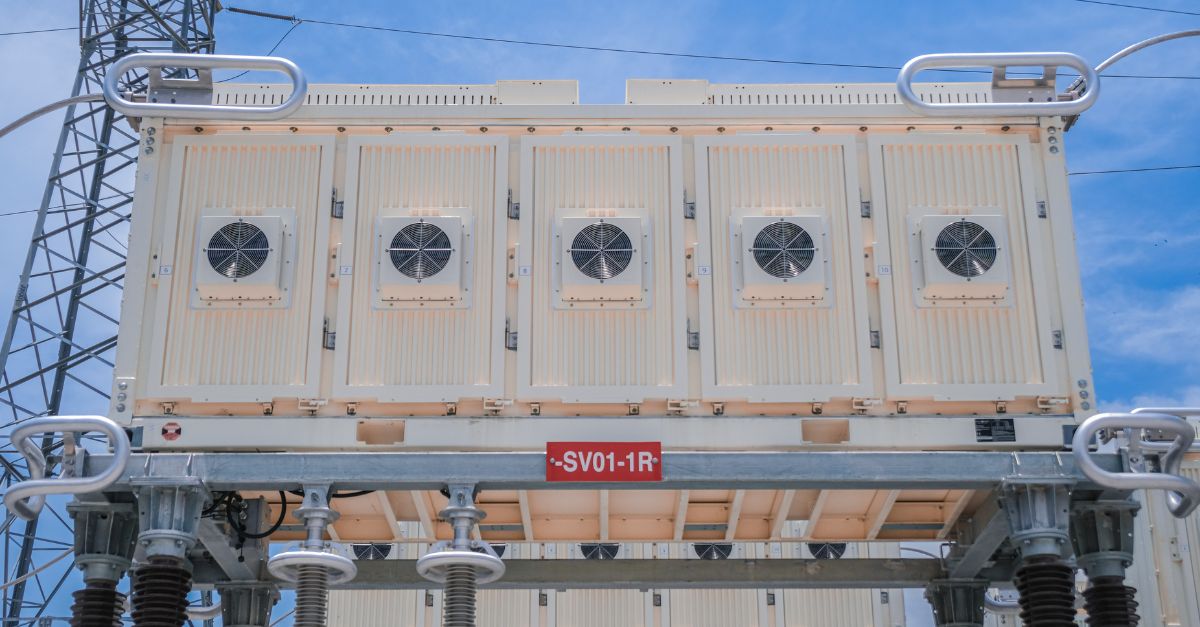
Traditional static synchronous series compensators often required custom designs, complex cooling and protection schemes, and significant substation footprint, which increased cost and deployment effort. SmartValve uses patented design elements, including sealed cooling at line potential and integrated fast-acting bypass, to simplify installation while meeting utility reliability requirements.

The SmartValve difference

Built for operations

  • Power flow control plus dynamic support functions

  • Automated and manual control modes 

Designed for availability

  • Integrated fast-acting bypass

  • Redundancy with no single point of failure 

Flexible by design

  • Modular, scalable, and relocatable deployments

  • Voltage agnostic, two current-rating models 

Faster to deploy

  • Built for rapid delivery and deployment 

Integrating SmartValve into your network planning

Our global team of power system engineers supports customers with planning and integration, including guidance on modelling SmartValve in network planning tools, interconnection studies for new generation and load, and broader power system planning.

SmartValve models are available for the network planning platforms below. If you use a different tool, our team can work with you to implement SmartValve models in additional platforms.

  • PowerFactory
  • INTEGRAL
  • Organon
  • ASPEN
  • MATLAB®/Simulink®
  • PSCAD™/EMTDC
  • PSLF
  • PSS®E
  • RSCAD/RTDS
  • TSAT
  • PowerWorld
  • NEPLAN

Small footprint, flexible layouts

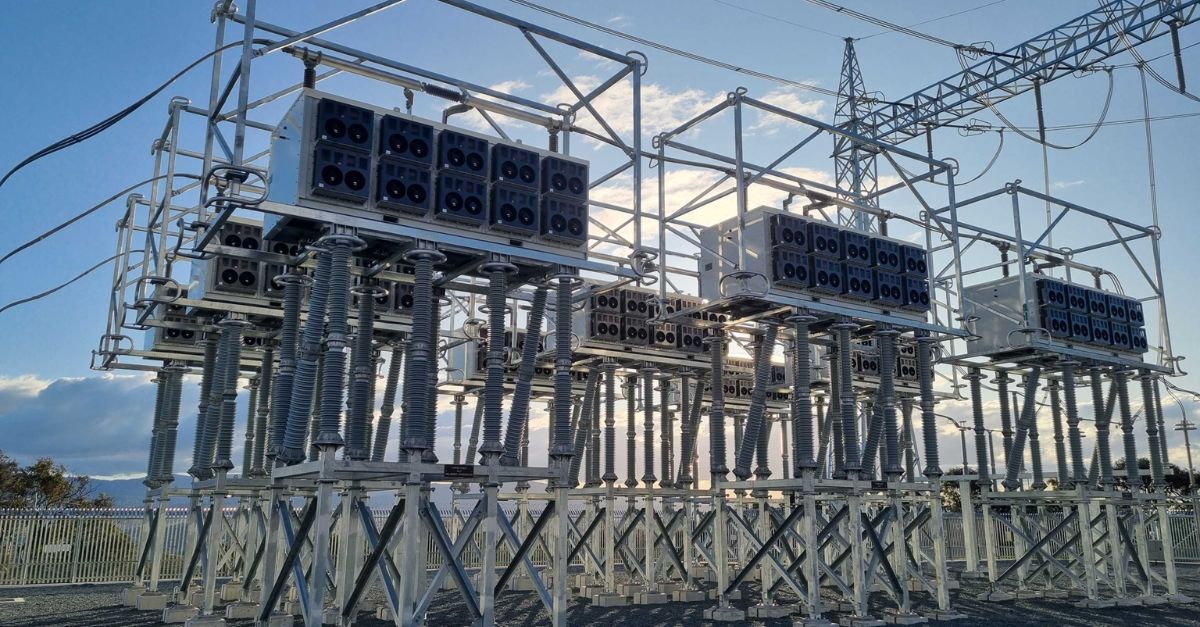
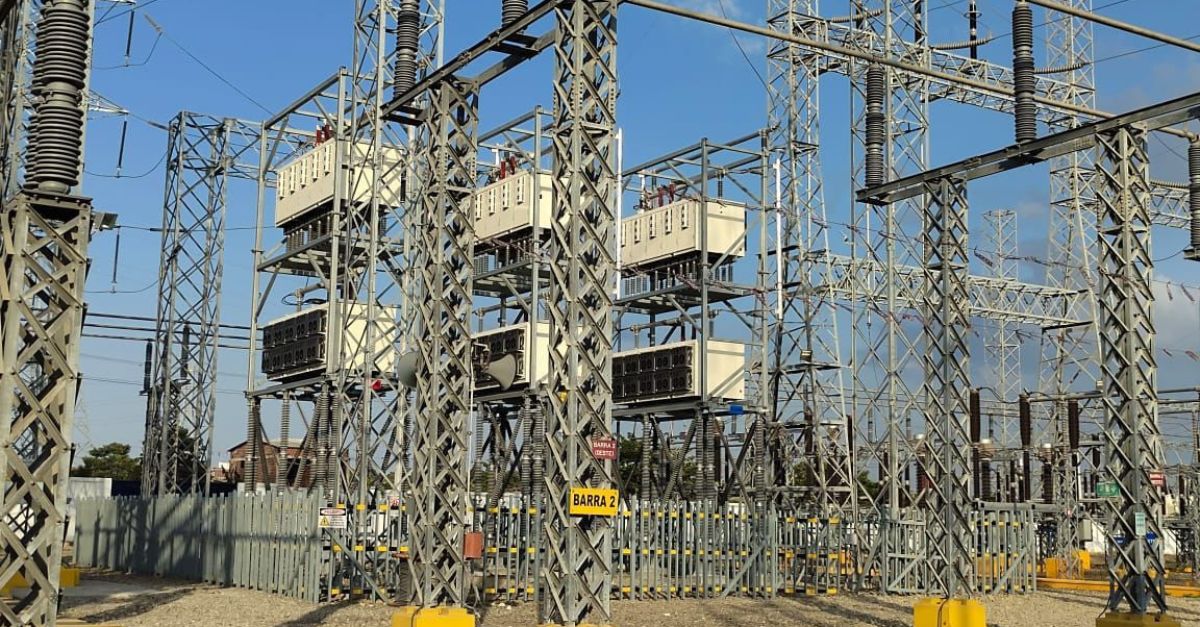
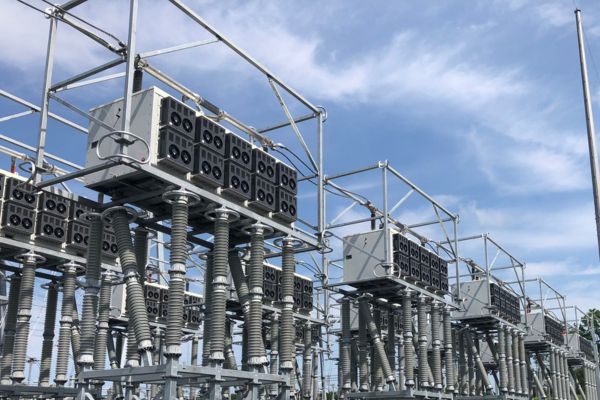
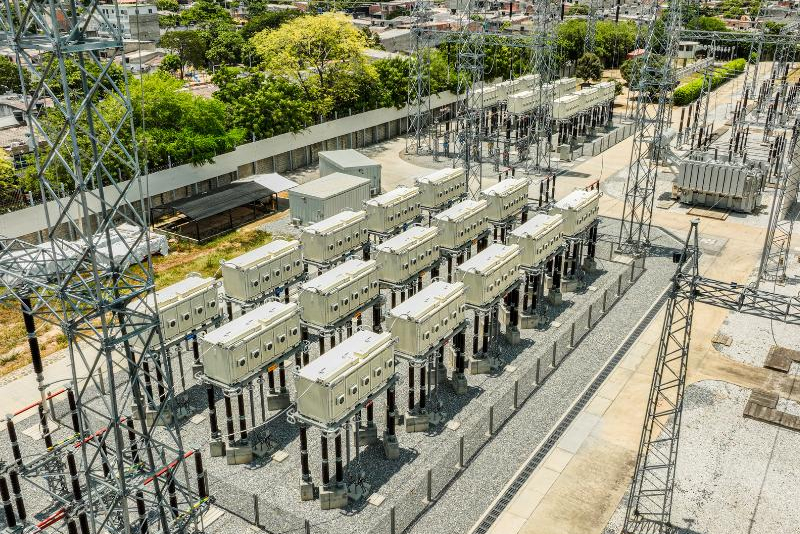
SmartValve can be configured to fit within available substation space and deployed in layouts that match site constraints. Our engineers work with customers to define a deployment plan that meets today’s needs while preserving options to scale later.

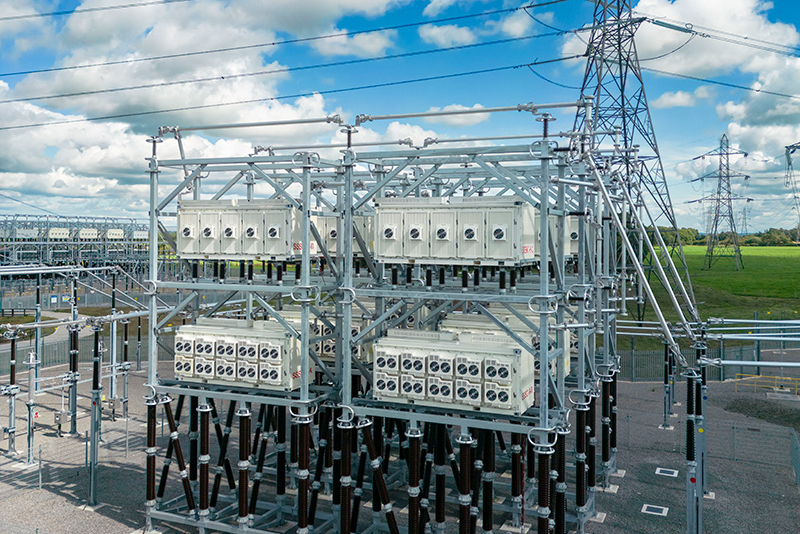
When additional capacity is needed, units can be added with minimal rework. In some configurations, SmartValve can be double-stacked, allowing two units in roughly the footprint of one.

Deployments can also be distributed along a circuit, so large projects don’t require a single large footprint.

ISA (2)
Harker_Substation v1

You may also be interested in